

FAQs about gum disease
- Q. My gums bleed a little when I brush my teeth. It’s happened for the last 2 weeks. Is this something I should be concerned about or am I just brushing too hard?
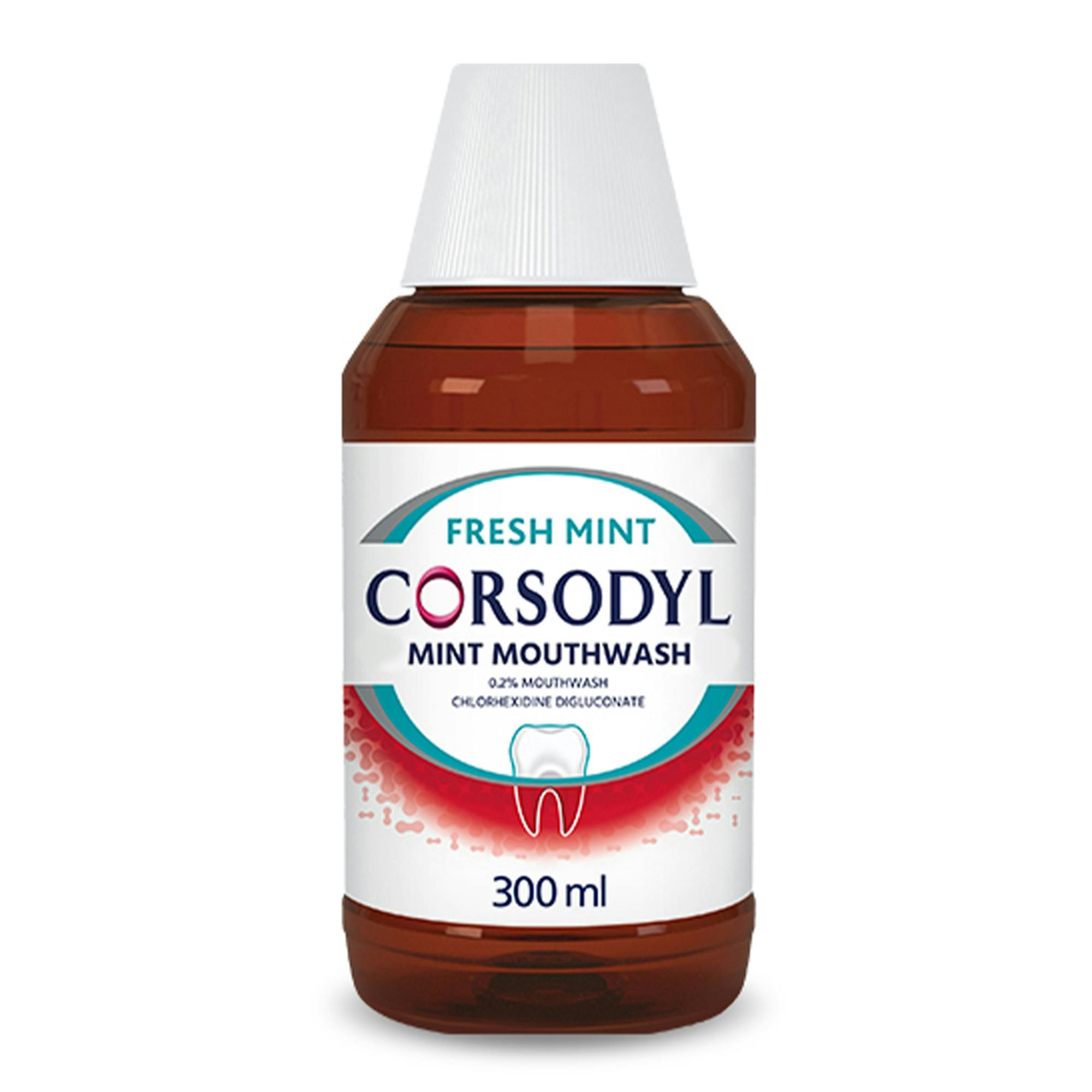
- From the symptoms described, it sounds like you may have gingivitis, a mild form of gum disease. This is definitely not something you should ignore, as gum disease is the biggest cause of tooth loss in the UK. It is recommended that you visit your dentist or hygienist. If they diagnose gingivitis they will make sure your teeth are cleaned thoroughly and will get rid of any hardened deposits on your teeth (known as calculus or tartar) that may be helping the plaque to congregate. Use of a medicated mouthwash such as Corsodyl Mint or Original Mouthwash can also help to treat and prevent gum disease. Don't panic – most problems are easily dealt with - the most important thing though is to take action now!
Corsodyl Mint and Original Mouthwash contain chlorhexidine digluconate
Always read the label - Q. My dentist told me I have gum disease. What is it and how did I get it?
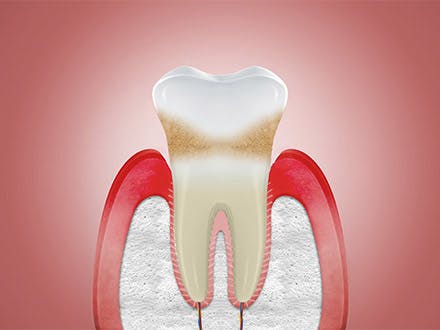
- Gum disease can be caused by a build up of plaque on your teeth. Plaque is the sticky layer which collects on the surface of your teeth and gums. In time it can harden to form tartar. The bacteria in the plaque then attack your gums and can cause gum disease. Symptoms are often not noticeable until the disease is advanced; they can include: bad breath that won't go away, red or swollen gums, tender or bleeding gums, painful chewing, loose teeth and/or sensitive teeth. Some people are more susceptible than others, which is why they get gum disease. Don't worry, you are not alone: as many as 90% of the population suffers from gum disease, in some form, at some point in their life. The problem can usually be easily dealt with by following a good oral hygiene regime and treatment from your dentist. You could also use a specially formulated medicated mouthwash, such as Corsodyl Mint or Original Mouthwash, which is widely available from supermarkets and pharmacies.
Corsodyl Mint and Original Mouthwash contain chlorhexidine digluconate
Always read the label - Q. My mother has recently been told she has gingivitis. I am worried I may get it too. Is there anything I can do to prevent it?
- Gingivitis, or gum disease, isn't hereditary - but it is more common than you think: as many as 90% of the population suffer from gum disease at some point in their life. Some people are more susceptible than others, though, so the best defence is to practice good oral hygiene. You should brush your teeth at least twice a day for two minutes, use floss to remove plaque from between your teeth, and, of course, regular visits to the dentist can also help.
- Q. My gums bleed slightly when I eat hard foods like apples. Why is this happening?
- Bleeding gums when eating certain foods – such as apples - is a common sign of early gum disease. If you are worried about the health of your gums you should visit your dentist. If your gums are affected, don't worry, you are not alone - as many as 90% of the population suffer from gum disease at some point in their life. If your dentist or hygienist diagnose gum disease they will help you treat it by making sure your teeth are thoroughly clean. They will remove any hardened deposits on your teeth (tartar) that they may be helping the plaque to congregate. Use of a medicated mouthwash such as Corsodyl Mint or Original Mouthwash, can also help to treat gum disease.
Corsodyl Mint and Original Mouthwash contain chlorhexidine digluconate
Always read the label - Q. I really don't like going to the dentist but I am worried about getting gum disease. Where can I find out more information and what is the best course of action?
- If you think you may already have gum disease, a visit to the dentist or hygienist is always recommended. If you wish to help keep gums healthy there are ways to do so:
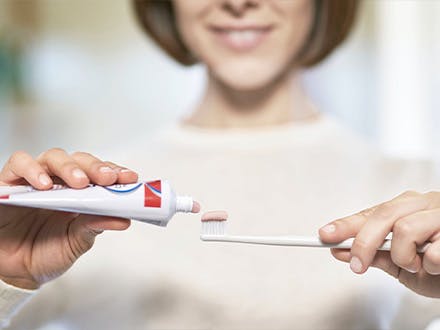
- brush teeth thoroughly twice a day for at least two minutes
- use floss or interdental brushes at least once a day to clean between teeth and remove plaque
- use a daily mouthwash
- visit your dentist regularly
- Q. My gums have bled since my last pregnancy. At the time, my dentist told me it was nothing to worry about and that it would probably go after giving birth, but it hasn't. Should I be worried?
- 50% of women experience gingivitis (commonly identified by bleeding gums) during pregnancy, as the hormone changes in the body make the gums more susceptible to gingivitis. As the symptoms haven’t cleared up it is advisable to go back to your dentist as soon as possible, explaining your experience.
The best form of treatment for gingivitis is correct brushing technique combined with regular flossing. You can also use a medicated mouthwash, containing 0.2% w/v chlorhexidine digluconate. - Q. Is an electric toothbrush better than a manual one?
- Recent research suggests there are short and long term benefits to brushing with an electric toothbrush, in particular those with an oscillating head. Manual toothbrushes, when used correctly (see our Brushing Guide – click here) are also an effective means of maintaining good oral hygiene. Dentists recommend you should replace your toothbrush every three months.
- Q. My gums only bleed when I floss – should I stop flossing?
- Brushing only cleans up to 60% of your tooth surfaces, so you can see why flossing or the use of interdental brushes is so important in helping to prevent gum disease. Flossing before brushing loosens the bacteria and plaque, which allows it to be brushed away more easily.
If your gums bleed when you floss, it’s probably worth re-examining your flossing technique. See our Flossing Guide – click here. You may also need to check with your dentist: there may be a reason for the bleeding, such as gum disease. - Q. Sometimes when I brush my teeth there are traces of blood in my saliva – does this mean I have gum disease?
- Traces of blood in your saliva are one of the tell-tale signs of gum disease - healthy gums don’t bleed on a regular basis - and so it is advisable to visit your dentist. If you do have gum disease, the dentist will clean your teeth and may advise you to use a specially formulated medicated mouthwash containing 0.2% w/v chlorhexidine digluconate, such as Corsodyl Mint or Original Mouthwash which can be used as an aid to help treat and prevent gingivitis.
Corsodyl Mint and Original Mouthwash contain chlorhexidine digluconate
Always read the label